James Watt
University of Florida · Astrophysics BS/MS, Mathematics BS · Honors · AFROTC
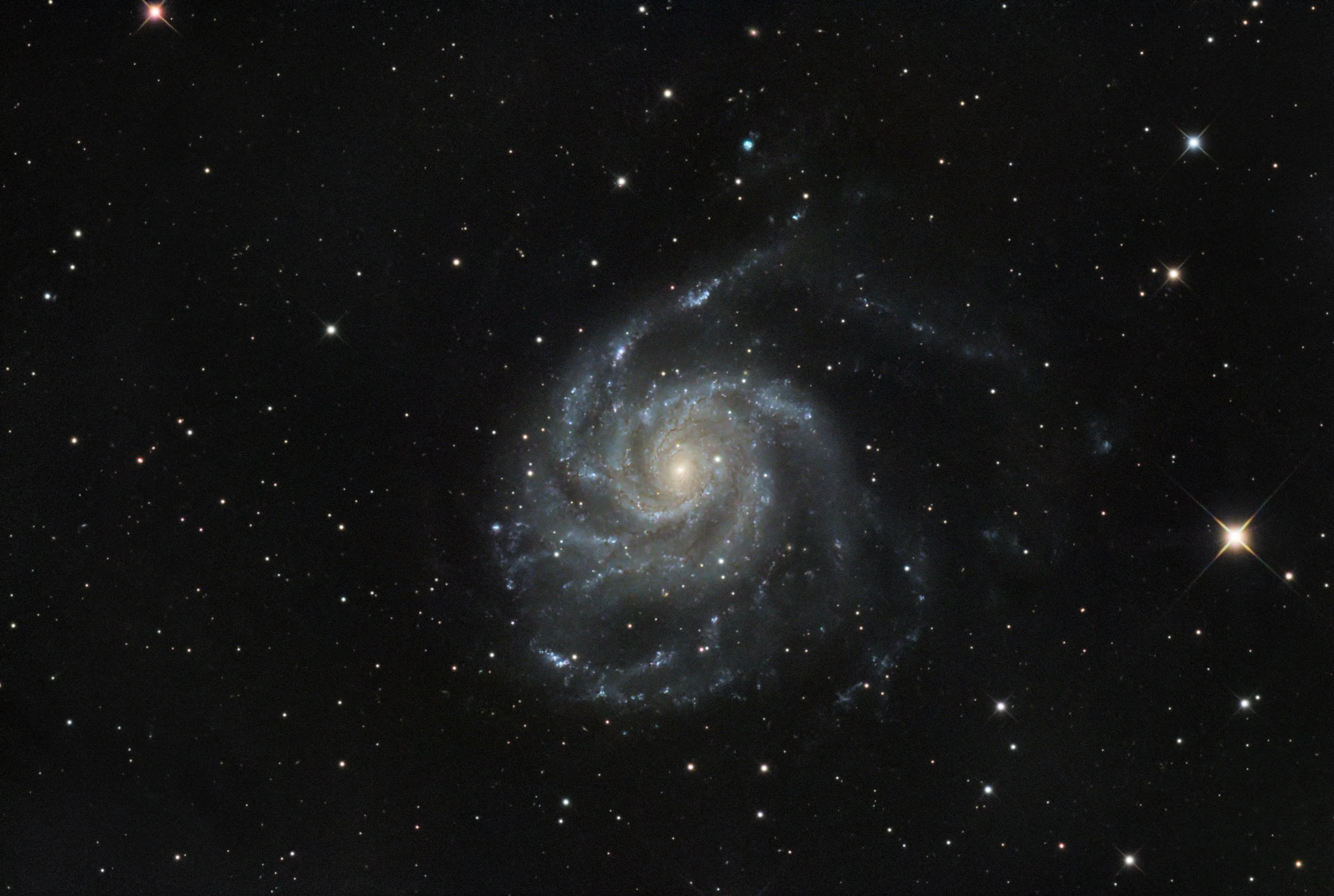
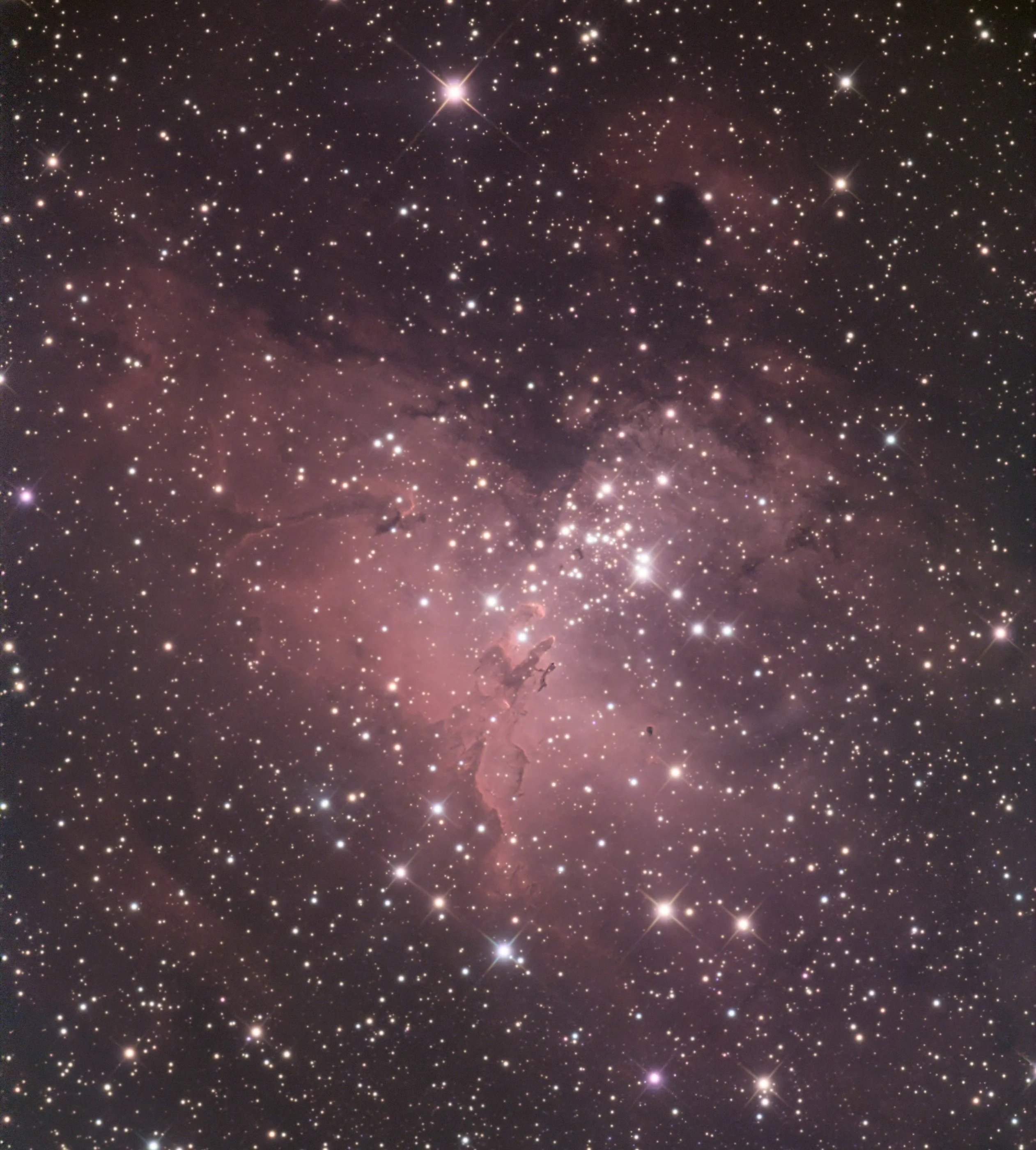
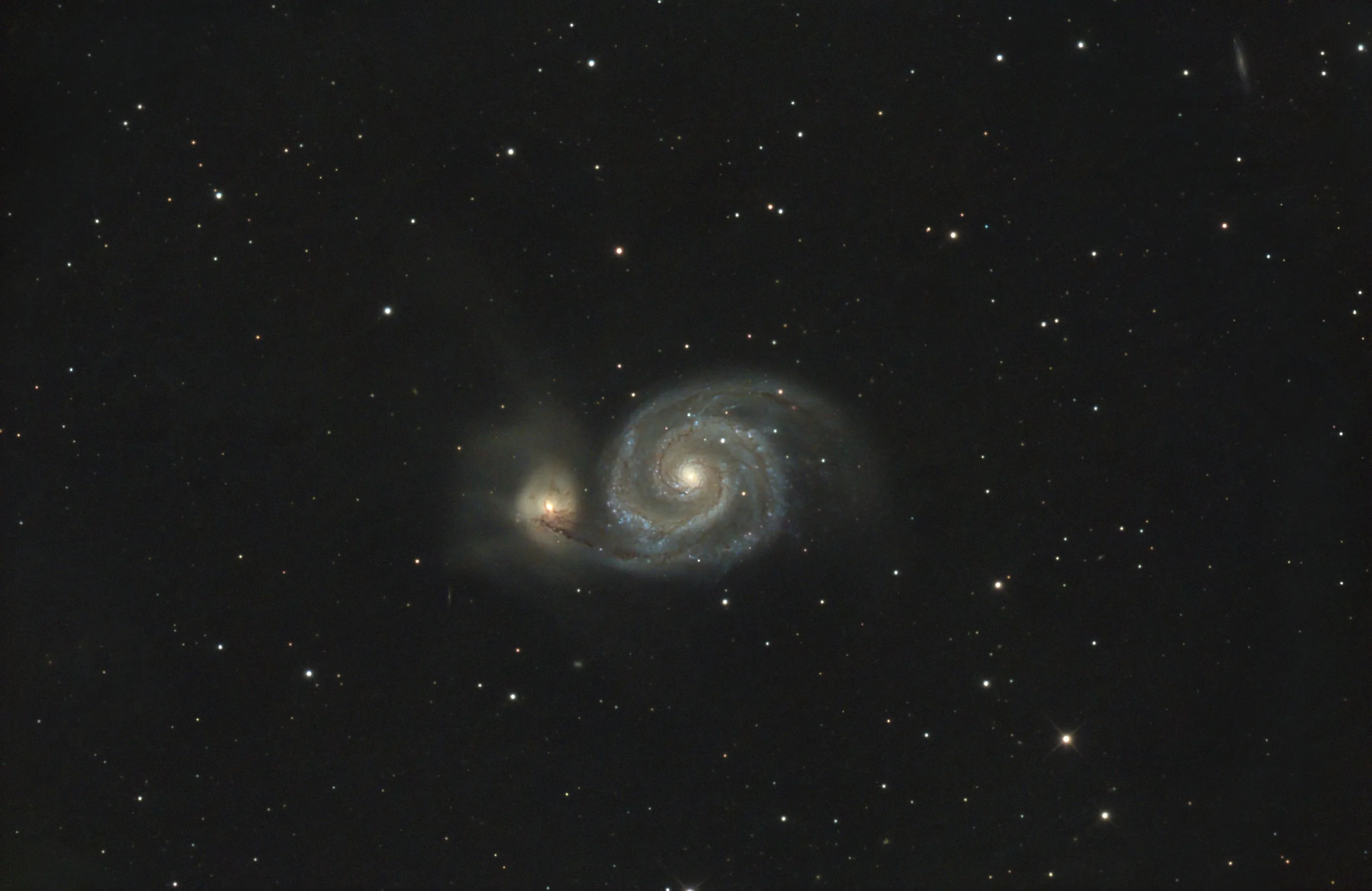
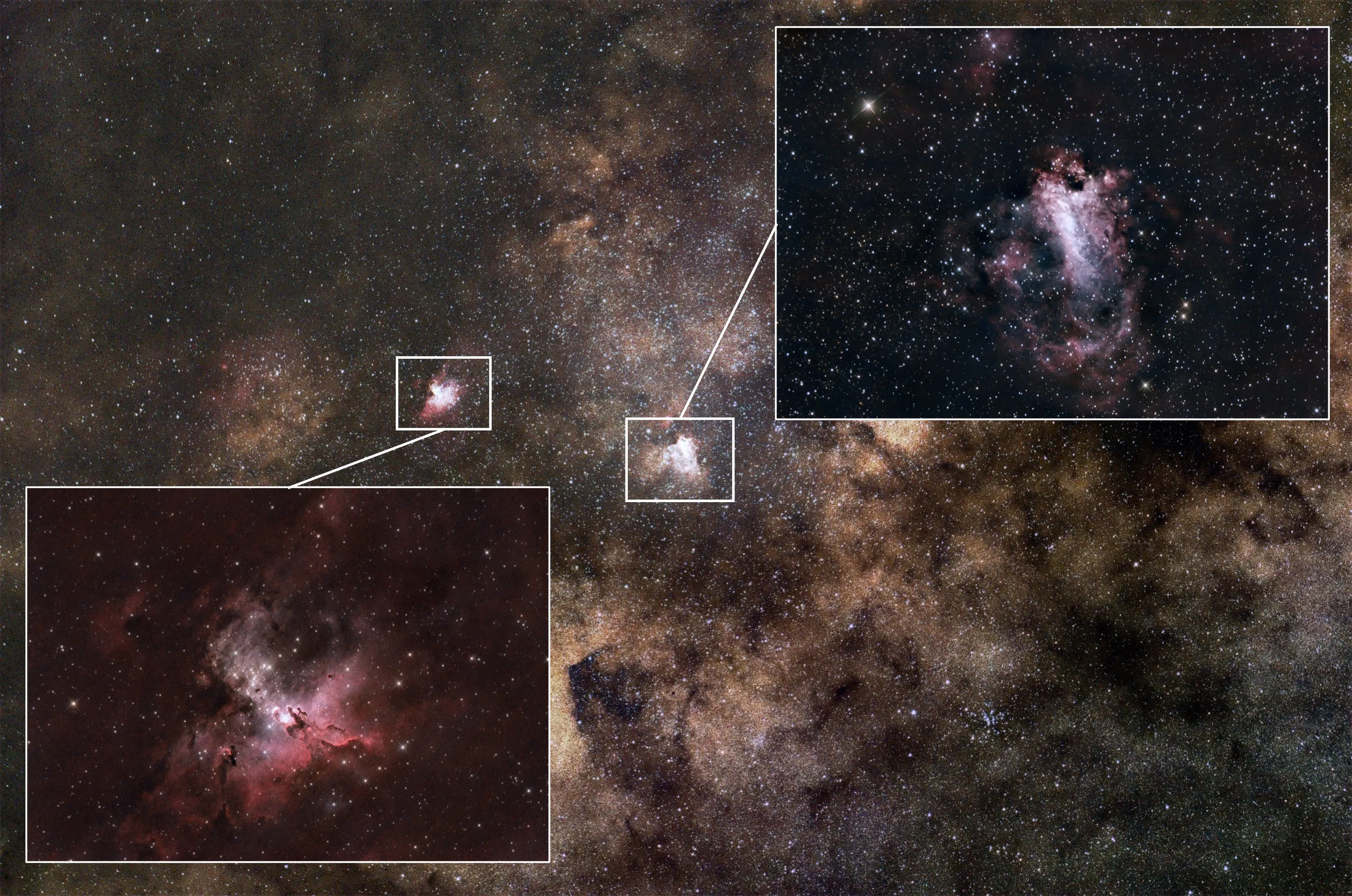
I study astrophysics and mathematics at the University of Florida. I'm most interested in observational astronomy and the instruments behind it: I build and run my own telescope, and my research has spanned galaxy surveys, combinatorics, thin-film physics, and protein biophysics. After graduating, I plan to commission as an officer in the Air Force or Space Force, work on government space and astronomy missions, and continue my graduate education along the way. Outside of class I fly gliders (working toward a commercial rating), dive, and spend clear nights imaging the sky.
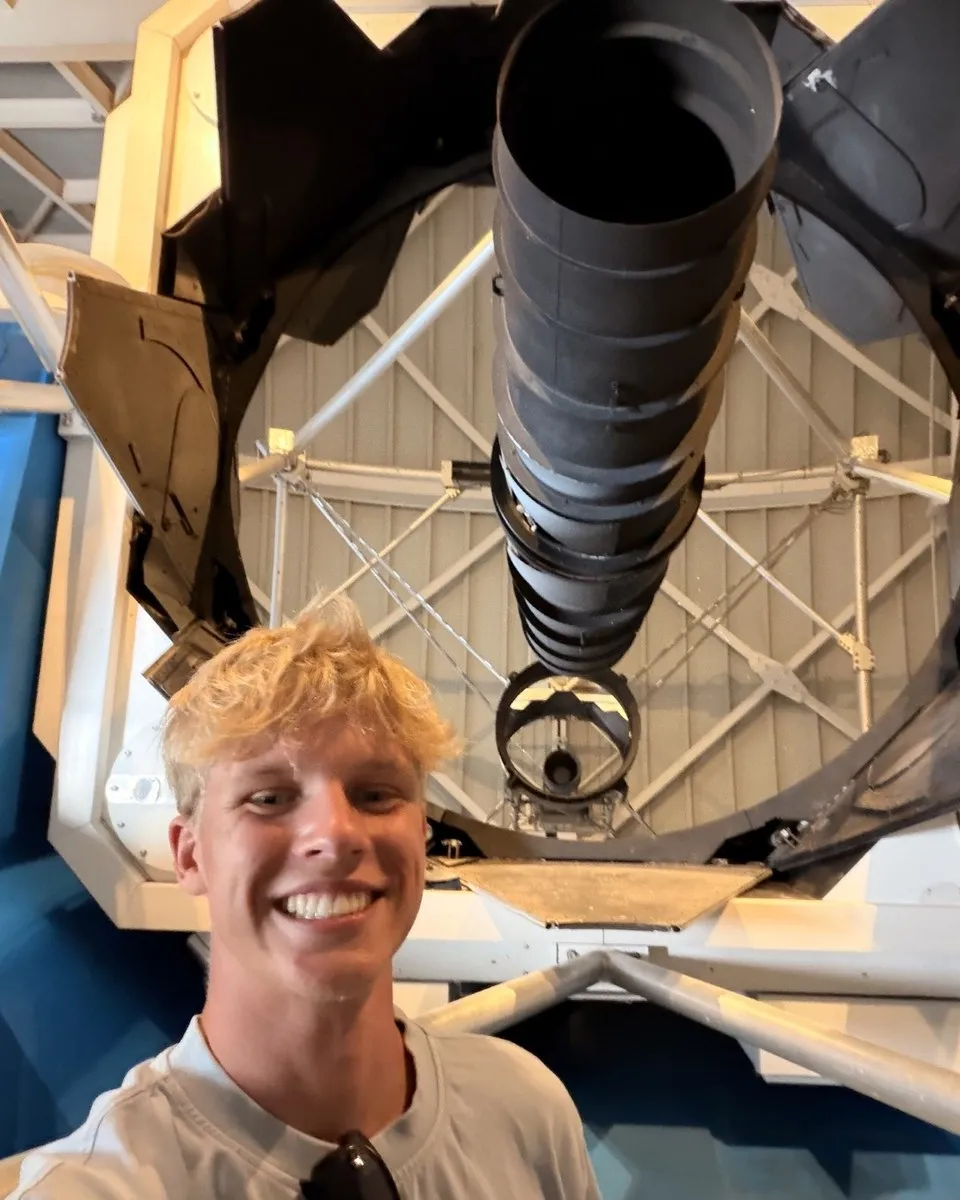
At the ARC 3.5 m telescope, Apache Point Observatory
01Engineering
All projects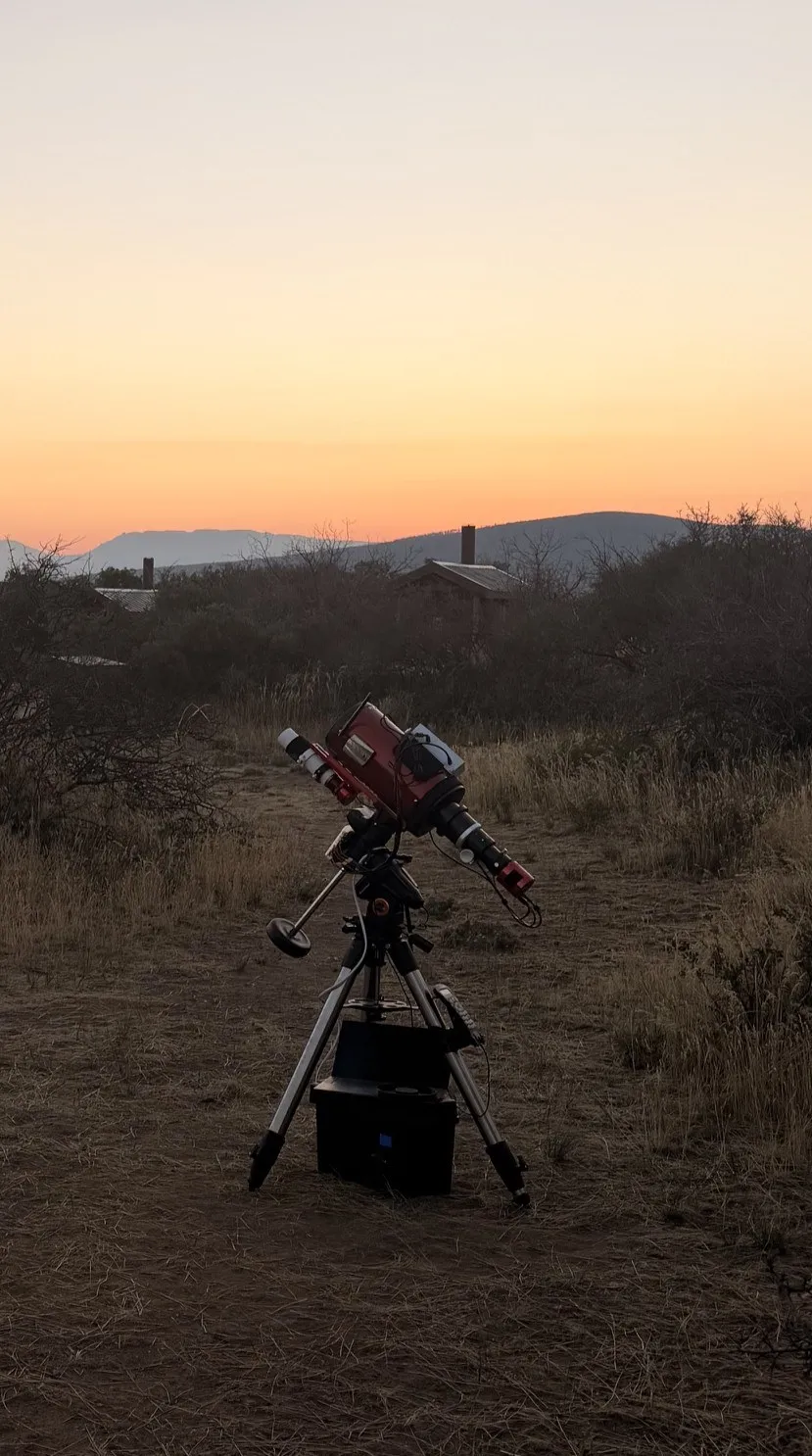
Jun 2025 – Present
Travel Remote Observatory
A self-powered, remote-capable 6″ Ritchey–Chrétien imaging system with a hypertuned mount, sub-arcsecond autoguiding, custom power and dew-control electronics, and a mini-PC network control system.
2022 – 2024
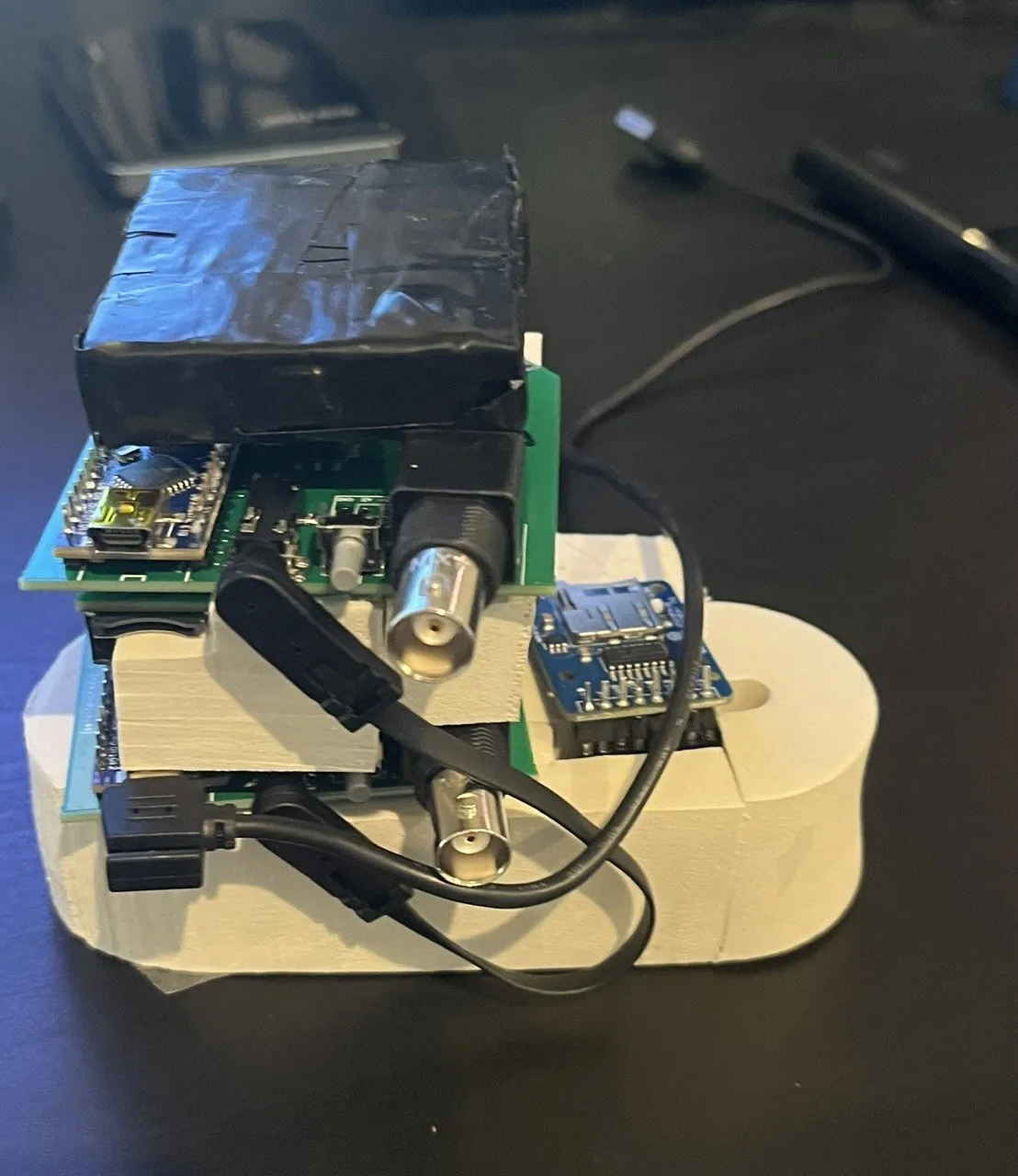
High-Altitude Muon Detector
A coincidence scintillation muon detector adapted from the MIT CosmicWatch design, with a modified PCB, hand-assembled SMD electronics, custom logging firmware, and flight packaging, flown to 93,000 ft.
02Research
All researchMathematics
Symmetry Reduction in the Superpattern Problem
How short can a permutation be if it contains every pattern of length k? I show that symmetry alone cannot break the known quadratic barrier. Restricting to involutions, though, leaves room for sub-quadratic behavior, and connects the problem to RSK and ordered matchings.
Astrophysics
Can a Galaxy's Spectrum Tell You Where It Lives?
I tested whether machine learning can recover a galaxy's local environment density from its DESI DR1 spectrum. It can't, at least not with within-survey density labels. The apparent signal turned out to be the model learning the survey's redshift selection function.
Materials Physics
Laser Direct-Write Polymerization of Ultrathin C₆₀ Films
A focused 532 nm laser both polymerizes evaporated C₆₀ films a few nanometers thick and reads the result out through Raman spectroscopy. It writes micron-scale patterns without a resist, and the reaction runs twice as fast in 10 nm films as in 2 nm films.